Gardening as a Mental Health Booster
- Tamara Thomas
- Sep 29
- 4 min read

Gardening is more than just a hobby or a way to beautify your space. It’s a powerful tool that can nurture your mind, body, and soul. When you dig your hands into the soil, plant seeds, and watch your garden grow, you’re also cultivating a sense of calm, purpose, and connection. I’ve found that spending time with plants can be incredibly healing, and I want to share some practical ways you can use gardening to support your mental health.
Why Gardening is a Natural Mood Booster
There’s something magical about being outdoors, surrounded by greenery and fresh air. Gardening invites you to slow down and focus on the present moment. This mindfulness can reduce stress and anxiety. Plus, the physical activity involved in planting, watering, and weeding releases endorphins, those feel-good chemicals in your brain.
Here are some specific benefits you might notice:
Reduced feelings of depression and anxiety
Improved concentration and mental clarity
Increased feelings of accomplishment and self-worth
Better sleep patterns due to physical activity and exposure to natural light
Even a small balcony garden or a few pots on your windowsill can make a difference. The key is to engage with your plants regularly and enjoy the process.
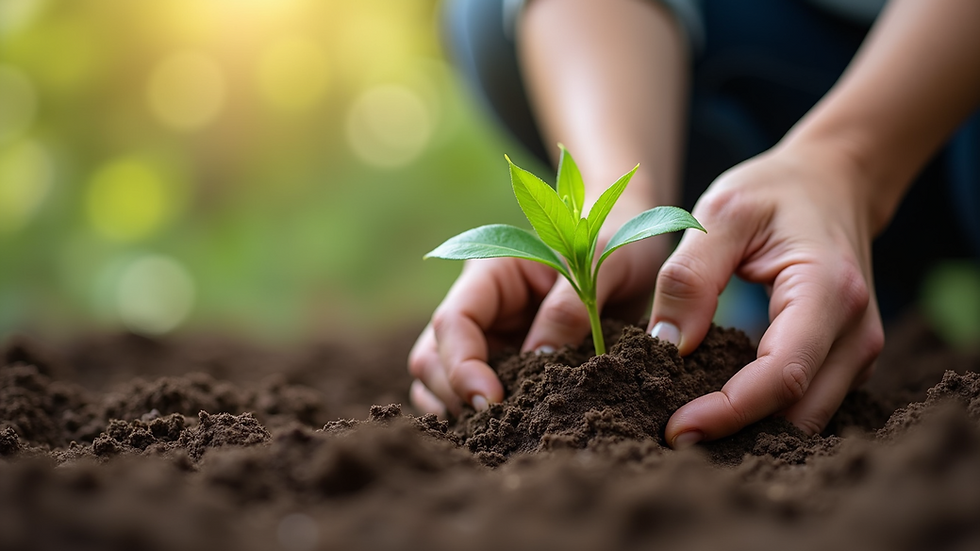
Mental Health Gardening Tips to Get Started
If you’re new to gardening or want to deepen your practice, here are some friendly tips to help you get the most out of your time with plants:
Start Small and Simple
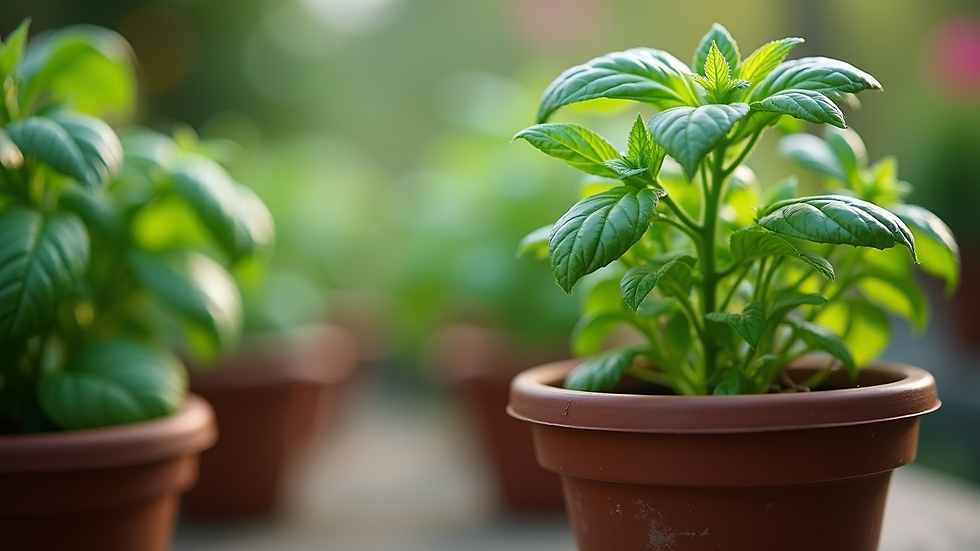
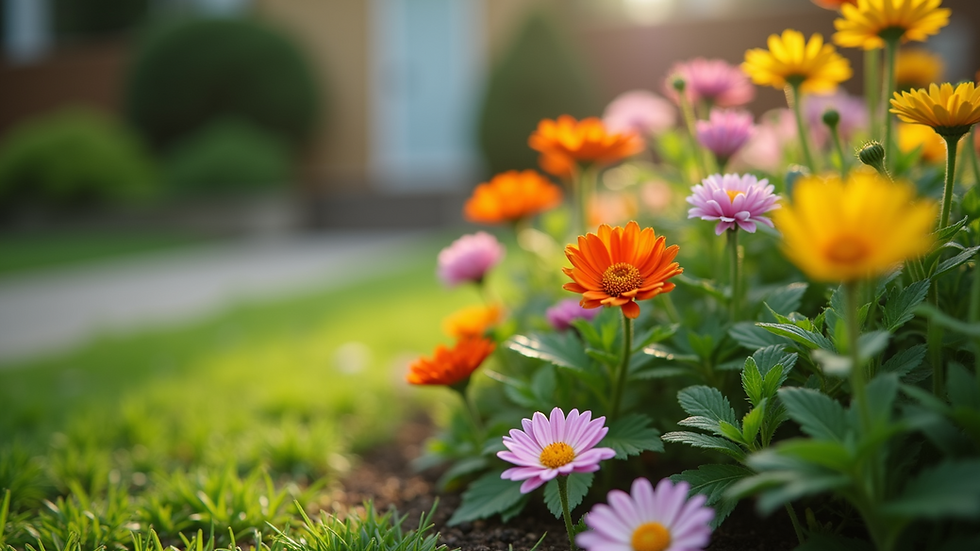
Choose easy-to-grow plants like herbs (basil, mint, parsley) or flowers (marigolds, sunflowers). This helps you build confidence and enjoy quick results.
Create a Routine
Set aside a few minutes each day to tend your garden. Consistency helps build a calming ritual and keeps you connected to your plants.
Use All Your Senses
Notice the colors, textures, and scents of your plants. Touch the leaves, smell the flowers, and listen to the sounds of nature around you.
Celebrate Your Progress
Take photos or keep a journal of your gardening journey. Reflecting on your growth can boost your motivation and mood.
Connect with Others
Join a local gardening group or online community. Sharing tips and stories can create a sense of belonging and support.
Practice Patience and Kindness
Plants grow at their own pace, just like your mental health. Be gentle with yourself and your garden.
By following these tips, you’ll create a nurturing space that supports your well-being and brings joy.
What is the quote about gardening for mental health?
There’s a beautiful quote that captures the essence of why gardening is so healing:
"To plant a garden is to believe in tomorrow." – Audrey Hepburn
This simple phrase reminds us that gardening is an act of hope and faith. When you plant a seed, you’re trusting that it will grow, bloom, and bring beauty into the world. This hopeful mindset can be incredibly uplifting, especially during challenging times.
Gardening encourages you to look forward, to nurture life, and to find joy in small, everyday miracles. It’s a gentle reminder that growth is possible, both in your garden and within yourself.

How to Incorporate Gardening into Your Mental Wellness Routine
If you want to make gardening a regular part of your mental health care, here are some practical ways to weave it into your life:
Morning Mindfulness: Spend 10 minutes outside with your plants before starting your day. Breathe deeply and set a positive intention.
Stress Relief Breaks: When you feel overwhelmed, step outside and tend to your garden. The physical activity and fresh air can help reset your mood.
Creative Expression: Use gardening as a way to express yourself. Design your garden with colors and plants that make you happy.
Seasonal Projects: Plan gardening activities around the seasons. Plant bulbs in the fall, start seedlings in the spring, and harvest in the summer.
Therapeutic Support: Consider combining gardening with professional support. For example, gardening for mental health sessions can provide guided therapeutic experiences that deepen your connection to nature and yourself.
By making gardening a mindful and intentional practice, you can enhance your mental wellness in a natural, enjoyable way.
Growing Together: The Community Benefits of Gardening
One of the most rewarding parts of gardening is the sense of community it can create. Whether you join a community garden, attend workshops, or share your harvest with neighbors, gardening connects you to others.
Here’s why community gardening is so powerful:
Shared Purpose: Working together on a garden fosters teamwork and belonging.
Social Interaction: Regular contact with others reduces feelings of loneliness and isolation.
Learning Opportunities: You can exchange knowledge and skills with fellow gardeners.
Celebration of Nature: Community gardens often become vibrant spaces for events and gatherings.
If you’re looking to expand your social circle and feel more connected, community gardening is a wonderful way to do that. It’s a place where you can grow friendships as easily as you grow plants.
Gardening is a gentle, accessible way to nurture your mental health and build meaningful connections. Whether you have a sprawling backyard or a sunny windowsill, the act of caring for plants can bring peace, joy, and hope into your life. I encourage you to give it a try and watch how your garden—and your spirit—flourish.
Happy gardening!

Comments