The Mental Health Benefits of Gardening
- Tamara Thomas
- Sep 15
- 4 min read

Gardening is more than just a hobby or a way to beautify your home. It’s a powerful tool that can nurture your mind, body, and spirit. When you dig your hands into the soil, plant seeds, and watch them grow, you’re not only cultivating plants but also cultivating your own well-being. I’ve discovered that therapeutic gardening benefits go far beyond the physical act of gardening. It’s a gentle, natural way to boost your mood, reduce stress, and connect with yourself and others.
Whether you have a sprawling backyard or a small balcony, gardening can be adapted to fit your lifestyle. Let me share with you some of the wonderful ways gardening can support your mental health and how you can start experiencing these benefits today.
How Therapeutic Gardening Benefits Your Mind and Body
Therapeutic gardening is a form of nature therapy that encourages mindfulness, relaxation, and physical activity. When you garden, you engage your senses - the smell of fresh earth, the vibrant colors of flowers, the texture of leaves. This sensory experience helps ground you in the present moment, which is a key practice in reducing anxiety and depression.
Physical movement is another important aspect. Gardening involves bending, digging, planting, and watering, which can improve your strength, flexibility, and endurance. These gentle exercises release endorphins, the body’s natural mood lifters. Plus, spending time outdoors exposes you to sunlight, which helps regulate your sleep cycle and boosts vitamin D levels.
Here are some specific therapeutic gardening benefits you might notice:
Reduced stress and anxiety: The repetitive tasks and connection to nature calm your nervous system.
Improved focus and concentration: Gardening encourages mindfulness and can help clear mental clutter.
Enhanced mood: The satisfaction of nurturing plants and seeing them thrive can increase feelings of happiness.
Better sleep: Physical activity and natural light exposure promote healthier sleep patterns.
Increased social connection: Community gardens or gardening groups offer opportunities to meet others and build friendships.
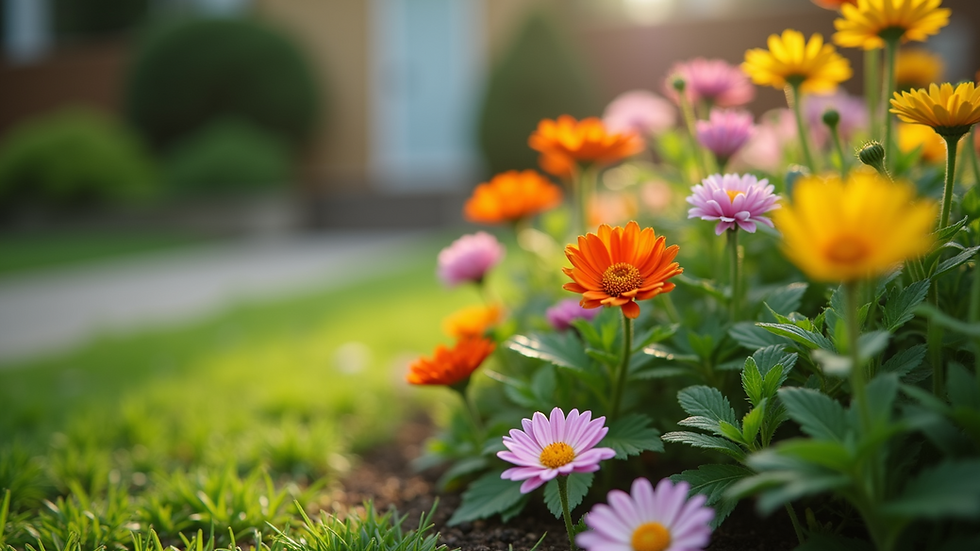
Getting Started with Therapeutic Gardening Benefits
You don’t need a green thumb or a large space to begin. Start small and simple. Here are some practical tips to help you ease into gardening and enjoy its mental health benefits:
Choose easy-to-grow plants: Herbs like basil, mint, or parsley are great for beginners. They grow quickly and can be used in your cooking.
Create a dedicated space: Even a few pots on a windowsill or balcony can become your personal garden sanctuary.
Set a routine: Spend 10-15 minutes a day tending your plants. This regular practice can become a calming ritual.
Use gardening as mindfulness practice: Focus on the sensations, smells, and sights around you. Let your worries fade as you immerse yourself in the moment.
Join a community garden: If possible, connect with local gardening groups. Sharing your progress and learning from others can deepen your experience.
Remember, gardening is not about perfection. It’s about connection, growth, and healing. Celebrate small successes like a new sprout or a blooming flower. These moments can brighten your day and remind you of your own resilience.

Exploring Gardening Mental Health Support
Sometimes, gardening alone might not be enough to address deeper mental health challenges. That’s where professional support can complement your gardening journey. Combining therapy with gardening can create a powerful healing experience.
If you’re interested in exploring this further, consider looking into gardening mental health services. These programs use horticulture therapy techniques to help you work through stress, anxiety, or depression while engaging with plants and nature. It’s a compassionate approach that honors your unique needs and pace.
At A Little Leaf Horticulture Therapy, the goal is to help you find peace and joy through plant-based therapeutic services. Whether you’re in Wichita or beyond, you can access support that blends the nurturing power of nature with professional care.
Tips for Making Gardening a Lasting Part of Your Wellness Routine
To truly benefit from therapeutic gardening, consistency is key. Here are some ideas to help you keep gardening a joyful and sustainable part of your life:
Keep a gardening journal: Record your observations, feelings, and plant progress. Reflecting on your journey can deepen your connection.
Mix it up: Try different plants, gardening styles, or even indoor gardening to keep things fresh and exciting.
Celebrate the seasons: Notice how your garden changes throughout the year. Use these natural rhythms to inspire your own self-care.
Practice gratitude: Take moments to appreciate the beauty and life you’re nurturing. Gratitude can boost your overall well-being.
Invite others: Share your gardening space or harvest with friends and family. Community and connection are powerful healers.
Gardening is a gift you give yourself. It’s a way to slow down, breathe deeply, and reconnect with the natural world. Over time, you’ll likely find that your garden becomes a reflection of your inner growth and healing.

Embracing Growth and Healing Through Gardening
Gardening offers a unique blend of physical activity, sensory engagement, and emotional nourishment. It invites you to be present, patient, and hopeful. As you nurture your plants, you also nurture your mental health and well-being.
If you’re looking for a gentle, accessible way to improve your mood, reduce stress, and build community, therapeutic gardening benefits are waiting for you. Whether you start with a few pots on your windowsill or join a local garden, every step you take in the soil is a step toward healing.
Remember, you’re not alone on this journey. Support is available, and nature is ready to welcome you with open arms. So grab your gloves, plant some seeds, and watch both your garden and your spirit bloom.

Comments