Indoor Plants: Enhancing Well-Being Through Horticultural Therapy
- Tamara Thomas
- Sep 5
- 5 min read

Updated: Oct 6
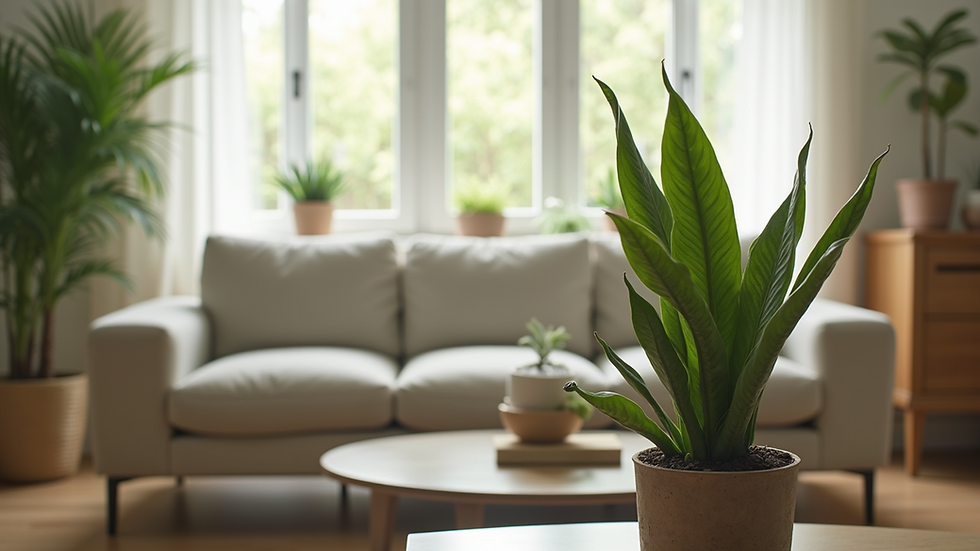
In today's fast-paced world, finding ways to enhance our well-being is more important than ever. One effective method that has gained popularity is horticultural therapy, which involves using plants and gardening to improve mental and physical health. Indoor plants play a significant role in this practice, offering numerous benefits that can transform our living spaces into serene sanctuaries.
In this blog post, we will explore how indoor plants can enhance well-being through horticultural therapy. We will discuss the psychological and physical benefits of having plants indoors, practical tips for incorporating them into your home, and specific examples of plants that are particularly beneficial.
The Psychological Benefits of Indoor Plants
Research shows that indoor plants can have a positive impact on our mental health. They can reduce stress, anxiety, and depression, making our environments feel more calming and inviting.
Stress Reduction
Studies have found that simply being around plants can lower stress levels. The presence of greenery can create a sense of tranquility, helping to alleviate feelings of tension.
Natural Aesthetics: Plants add beauty to our spaces, which can uplift our mood.
Connection to Nature: Being near plants can remind us of the outdoors, providing a mental escape from urban life.
Improved Focus and Productivity
Indoor plants can also enhance our ability to concentrate. Research indicates that having plants in workspaces can lead to increased productivity.
Enhanced Air Quality: Plants improve air quality by filtering toxins, which can help us think more clearly.
Visual Breaks: Taking a moment to look at a plant can provide a refreshing break from screens and paperwork.
Emotional Well-Being
Caring for plants can foster a sense of responsibility and accomplishment. This nurturing aspect can boost self-esteem and provide a sense of purpose.
Routine and Structure: Watering and caring for plants can create a daily routine that adds structure to our lives.
Connection to Life: Watching plants grow can remind us of the beauty of life and the importance of nurturing.
The Physical Benefits of Indoor Plants
Indoor plants do not just benefit our minds; they also contribute to our physical health.
Improved Air Quality
Plants are natural air purifiers. They absorb carbon dioxide and release oxygen, which can enhance the air quality in our homes.
Reduction of Pollutants: Many indoor plants can filter harmful substances from the air, such as formaldehyde and benzene.
Increased Humidity: Plants release moisture into the air, which can help alleviate dry skin and respiratory issues.
Enhanced Healing Environments
Incorporating plants into healing spaces, such as hospitals or therapy rooms, can promote recovery.
Faster Recovery Times: Studies show that patients with plants in their rooms often recover more quickly.
Pain Reduction: The presence of greenery can help reduce the perception of pain.
Practical Tips for Incorporating Indoor Plants
Now that we understand the benefits of indoor plants, let's explore some practical tips for incorporating them into our homes.
Choose the Right Plants
Selecting the right plants is crucial for success. Consider your living space, light conditions, and personal preferences.
Low-Light Options: If you have limited natural light, consider plants like snake plants or pothos.
Air-Purifying Plants: Spider plants and peace lilies are excellent choices for improving air quality.
Create a Plant Care Routine
Establishing a routine for plant care can help you stay consistent.
Watering Schedule: Set reminders for watering your plants based on their needs.
Fertilizing: Use organic fertilizers to promote healthy growth.
Design Your Space
Think about how to arrange your plants for maximum impact.
Group Plants: Cluster plants together to create a lush, green corner.
Use Different Heights: Incorporate plant stands or hang plants to add visual interest.
Specific Examples of Beneficial Indoor Plants
Here are some specific indoor plants that can enhance well-being through horticultural therapy.
Snake Plant (Sansevieria)
The snake plant is known for its air-purifying qualities. It is also incredibly low-maintenance, making it perfect for beginners.
Light Requirements: Thrives in low to bright indirect light.
Care Tips: Water sparingly, allowing the soil to dry out between waterings.
Peace Lily (Spathiphyllum)
The peace lily is not only beautiful but also effective at removing toxins from the air.
Light Requirements: Prefers low to medium light.
Care Tips: Keep the soil moist but not soggy, and mist the leaves for added humidity.
Pothos (Epipremnum aureum)
Pothos is a versatile plant that can thrive in various conditions. It is known for its ability to purify the air.
Light Requirements: Tolerates low light but grows best in bright, indirect light.
Care Tips: Allow the soil to dry out between waterings.
Spider Plant (Chlorophytum comosum)
The spider plant is easy to care for and produces "baby" plants that can be propagated.
Light Requirements: Prefers bright, indirect light but can tolerate low light.
Care Tips: Water when the top inch of soil feels dry.
Creating a Green Sanctuary at Home
Transforming your home into a green sanctuary can be a rewarding experience.
Start Small
If you are new to indoor plants, start with just a few.
Choose Easy Plants: Begin with low-maintenance options to build your confidence.
Observe and Learn: Pay attention to how your plants respond to their environment.
Experiment with Arrangements
Don't be afraid to experiment with different plant arrangements.
Mix and Match: Combine plants of different heights and textures for visual interest.
Change Locations: Move plants around to find the best spots for growth.
Engage with Your Plants
Take time to connect with your plants.
Talk to Them: Some studies suggest that talking to plants can promote growth.
Observe Growth: Keep a journal to track your plants' progress and changes.
The Future of Horticultural Therapy
As we continue to understand the benefits of indoor plants, the future of horticultural therapy looks promising.
Growing Awareness
More people are recognizing the importance of mental health and the role that nature plays in our well-being.
Workshops and Programs: Many communities are offering workshops on plant care and gardening.
Therapeutic Settings: Hospitals and wellness centers are increasingly incorporating plants into their environments.
Expanding Research
Ongoing research will continue to uncover the many ways that plants can enhance our lives.
New Discoveries: Scientists are exploring the specific benefits of different plant species.
Broader Applications: Horticultural therapy may expand into schools, workplaces, and more.
Embracing Nature for Well-Being
Incorporating indoor plants into our lives is not just about beautifying our spaces. It is about enhancing our overall well-being. By understanding the benefits of horticultural therapy and taking practical steps to include plants in our homes, we can create environments that nurture our minds and bodies.
So, why not start today? Choose a plant that resonates with you, create a care routine, and watch as your indoor garden flourishes. Your well-being may just blossom along with it.

Comments